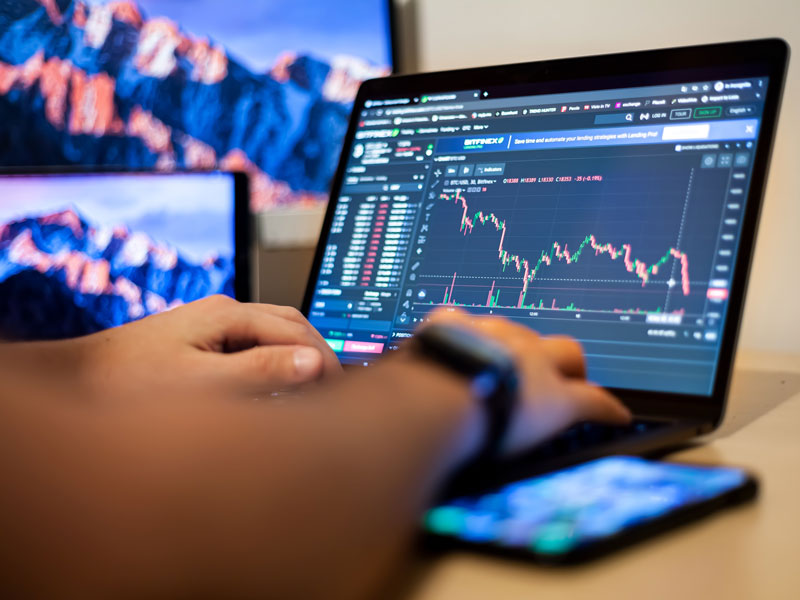
Understanding Forex Trading Signals: A Comprehensive Guide
In the ever-evolving world of forex trading, understanding forex trading signals Best South African Brokers trading signals is crucial for both novice and seasoned traders. A forex trading signal is essentially a recommendation or an alert to buy or sell a currency pair at a specific time and price. These signals can take various forms, including email alerts, text messages, or dedicated software that generates them. Traders utilize these signals as a tool to make informed decisions, helping them navigate the complexities of the forex market.
What Are Forex Trading Signals?
Forex trading signals can be understood as indicators that provide insight into potential market movements. These signals are derived from various factors, including technical analysis, fundamental analysis, and market sentiment. They can be generated by human analysts who specialize in forex or by automated trading systems. The goal of using forex trading signals is to increase the likelihood of making profitable trades while minimizing risk.
Types of Forex Trading Signals
There are two main types of forex trading signals: manual and automated.
1. Manual Signals
Manual signals are generated by experienced traders or analysts who evaluate market conditions and make predictions based on technical and fundamental analysis. These signals usually include specific instructions on entry and exit points and can vary greatly in quality depending on the knowledge and skill of the analyst providing them.
2. Automated Signals
Automated signals are produced by trading algorithms and software. These systems analyze vast amounts of market data and generate signals based on predefined criteria. This type of signal can often react faster to market changes than human traders, which can be a significant advantage. However, traders should understand the algorithm’s strategy to ensure it aligns with their trading goals.
How to Use Forex Trading Signals Effectively
Using forex trading signals effectively involves a deep understanding of how they work and applying them strategically within a trading plan. Here are some crucial steps to make the most out of forex trading signals:
1. Choose Reliable Sources
Not all forex trading signals are created equal. Traders should conduct thorough research to find reputable sources for their signals. Professional signal providers often offer a proven track record and demonstrate their success rates transparently.
2. Combine Signals with Personal Analysis
While signals can be beneficial, relying solely on them without conducting your analysis can be risky. Traders should use signals as part of their overall trading strategy, blending them with personal insights from their technical or fundamental analysis.
3. Risk Management
Successful trading is as much about managing risk as it is about making profits. Traders should always apply appropriate risk management techniques, such as setting stop-loss orders, to protect themselves from unexpected market movements.
4. Keep a Trading Journal

Maintaining a trading journal can help traders analyze their performance over time. By recording trades, signals used, and outcomes, traders can better understand what strategies work for them and refine their approach accordingly.
Benefits of Using Forex Trading Signals
Utilizing forex trading signals can bring about several advantages:
1. Time-Saving
Analyzing the forex market can be incredibly time-consuming. Forex trading signals allow traders to save valuable time by providing trade recommendations without the need for extensive research and analysis.
2. Enhanced Decision Making
Trading signals provide clarity in decision-making. They simplify the complex forex landscape, offering traders straightforward recommendations based on market analysis.
3. Learning Opportunities
By studying the signals and their backgrounds, traders can learn more about market trends, technical indicators, and various trading strategies, enhancing their overall trading knowledge.
Challenges of Using Forex Trading Signals
Despite their advantages, forex trading signals also come with challenges:
1. Reliability Issues
The reliability of signals can vary significantly between providers. It is crucial for traders to distinguish between more credible sources and those that may be less trustworthy.
2. Emotional Decision-Making
Some traders may become overly reliant on signals, potentially leading to emotional decision-making. It is vital to balance signal usage with personal judgment and analysis.
3. Lagging Performance
Some signals may lag behind market changes due to delays in analysis or dissemination. Traders should be aware of this lag and adjust their strategies accordingly.
Conclusion
In conclusion, forex trading signals can be a powerful tool for traders looking to navigate the complexities of the forex market. Understanding the types of signals, how to use them effectively, and being aware of their advantages and challenges can significantly enhance a trader’s performance. By combining reliable signals with personal analysis and sound risk management practices, traders can position themselves for success in the dynamic world of forex trading.