

Exploring the Benefits of Demo Forex Trading
In the fast-paced world of forex trading, new traders often find themselves overwhelmed by the multitude of strategies, tools, and market dynamics. A great way to ease into the complexities of foreign exchange trading is through demo forex trading Best Argentine Brokers that offer demo accounts. Demo forex trading allows traders to practice their skills in a risk-free environment.
This article delves into the importance of demo forex trading, the benefits it offers, and essential tips for maximizing its effectiveness before transitioning to a live trading account.
What is Demo Forex Trading?
Demo forex trading refers to a simulated trading environment provided by forex brokers. It allows traders to use virtual money to execute trades, analyze the market, and develop trading strategies without any financial risk. This practice enables new traders to familiarize themselves with trading platforms and understand how various factors influence currency prices. Additionally, existing traders can use a demo account to test new strategies or trading tools before applying them in a live environment.
Benefits of Demo Forex Trading
The advantages of using a demo account are numerous. Here are some of the key benefits:
1. Risk-Free Environment
The most significant advantage of demo forex trading is the ability to learn and practice without the fear of losing real money. With virtual funds, traders can conduct trades, experiment with different strategies, and experience the market’s volatility without any consequences.
2. Familiarization with Trading Platforms
Every forex broker provides a unique trading platform with different features and functionalities. A demo account allows traders to explore these platforms and get accustomed to the user interface, charting tools, and order execution processes. Being comfortable with the platform can significantly impact a trader’s efficiency when moving to live trading.
3. Testing Strategies
Developing a trading strategy is crucial for success in the forex market. With a demo account, traders can test their strategies in real-time market conditions without risking real capital. This experimentation helps traders refine their approaches, learn from mistakes, and build confidence in their decision-making.
4. Psychological Preparation
Trading can evoke various emotions, from excitement to anxiety, especially when real money is involved. Using a demo account helps traders develop the necessary mental and emotional control required for live trading. By practicing in a risk-free environment, traders can experience the psychological aspects of trading without the stress of financial loss.
5. Building Confidence
Confidence is pivotal in trading. A demo account allows traders to solidify their skills and gain the confidence needed to transition to live trading. When traders experience success in a demo environment, they are more likely to approach live trading with a positive mindset.
How to Get Started with Demo Forex Trading
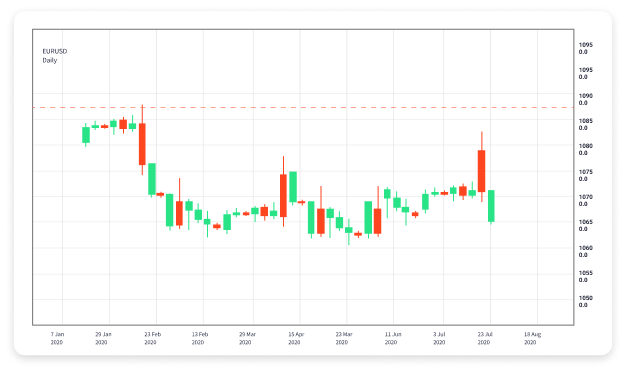
Getting started with demo forex trading is easy. Follow these simple steps:
1. Choose a Reputable Broker
Selecting a reliable forex broker is essential. Look for one that offers a robust demo trading platform, educational resources, and excellent customer support. Reading reviews and comparing different brokers can help you make an informed choice.
2. Open a Demo Account
Once you choose a broker, you can open a demo account through their website. Typically, you will need to provide some basic information, and once registered, you will gain access to the trading platform with virtual funds.
3. Start Practicing
Begin trading with virtual money. Focus on understanding market trends, learning how to place and manage trades, analyzing currency pairs, and developing your trading strategy. The goal is to build a solid foundation of knowledge and experience.
Transitioning to Live Trading
After spending a significant amount of time on a demo account and honing your skills, it may be time to move on to live trading. Here are a few strategies to ensure a smooth transition:
1. Start Small
When you begin live trading, it’s wise to start with a small amount of capital. This approach minimizes risk while you adapt to the emotional and psychological aspects of trading with real money.
2. Keep a Trading Journal
Documenting your trades, including the rationale behind each trade and its outcome, can provide valuable insights for future trading decisions. A trading journal helps you track progress, learn from mistakes, and maintain discipline.
3. Stick to Your Strategy
Once you develop a trading strategy that works in your demo account, it’s crucial to adhere to it during live trading. Consistency is key in trading, and straying from your tested strategy can lead to unnecessary losses.
4. Manage Your Emotions
Live trading can be emotionally taxing, especially during high-stakes situations. Practice techniques to manage stress and maintain emotional balance. Techniques such as deep breathing, mindfulness, and taking breaks can help keep your emotions in check.
Conclusion
Demo forex trading is an invaluable resource for traders looking to navigate the complexities of the forex market. It provides a risk-free platform to develop skills, test strategies, and build confidence. By leveraging the insights gained from demo trading, traders can transition to live trading more effectively, armed with the knowledge and experience to make informed decisions. If you’re considering starting in forex trading, take advantage of a demo account to set yourself up for success in the dynamic world of currency trading.